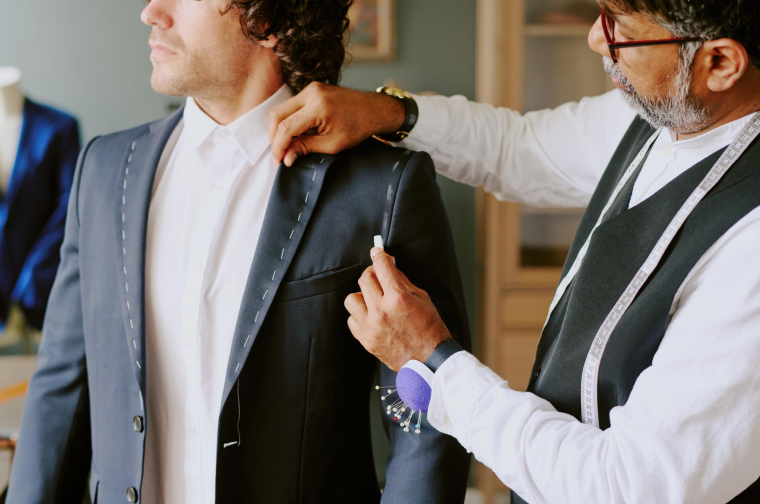
Complete Guide to Custom Suit Tailoring in Louisville: Zegna, Premium Fabrics & Perfect Fit
A well-made suit changes how a room reads you before you’ve said a word. Not vanity. Just how tailoring has always worked, and honestly, it hasn’t changed much in a hundred years.
We’ve spent years fitting men across Louisville, weddings, courtrooms, that one nervous first day at a new job. And one thing keeps proving itself true no matter the occasion: a suit built for your actual frame beats anything grabbed off a rack. Every single time, no exceptions we’ve seen. This guide walks through what matters when you’re looking into custom suits louisville ky, fabric choices, fit philosophy, the whole picture, so you walk away with a decision you’re not second-guessing come next spring.
Why Custom Tailoring Beats Ready-Made, Almost Always
Off-the-rack suits get cut for an average body. Here’s the catch, though. Nobody actually has one. Shoulders slope at different angles depending on the person. Torsos run long or short. Arm length can swing two, sometimes three inches, and that’s not a small gap when you’re trying to look pulled together for something that matters.
Custom tailoring fixes this at the root. Not with a quick patch after the fact, but from the very first measurement.
- Every measurement comes from your body. Not a mannequin’s best guess sitting in a warehouse somewhere.
- You pick the fabric, the lining, the buttons. Nobody hands you three options and calls it a day.
- Adjustments happen while the suit’s being built, not weeks later when it’s already too late to change much.
We say this to clients a lot, maybe too often: fit isn’t a finishing touch. It’s the foundation. Everything else- fabric, buttons, lining- sits right on top of that.
The Real Cost of a Bad Fit
A jacket pulling across the back when you reach for a handshake. Sleeves stopping too high, or hanging past the wrist like you borrowed someone else’s coat. Trousers pooling at the ankle in a way that just reads tired, no matter how sharp the rest of the outfit is. These aren’t small cosmetic gripes. They’re the actual line between looking sharp and looking like you grabbed the wrong size on your way out the door.
Understanding Premium Fabrics: What Actually Makes a Difference
Fabric quality decides how a suit drapes, how it breathes on a warm Kentucky afternoon, and how it holds up ten years down the road. This is where most buyers get a little lost, understandably, so here’s the plain version.
Wool Weights and Seasonal Suiting
Not all wool behaves the same. Not even close, really.
- Lightweight wool (Super 130s and up) works for warmer months and gives a softer, easier drape.
- Mid-weight wool carries you through most of the calendar year, which matters given how much our weather here likes to flip without warning.
- Heavier wool blends hold structure through the colder stretch and add real weight to the shoulder line.
Why Zegna Fabric Sets a Different Standard
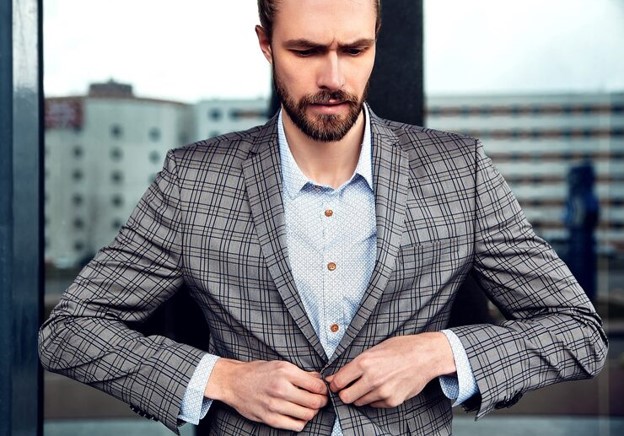
When someone brings up a Zegna suit, they’re really asking one question underneath it all. Is this consistent? Bolt after bolt, year after year? Zegna fabrics get milled under tight quality control, so the finish and the hand feel stay remarkably even no matter which roll it’s cut from.
A few things that set it apart, in our experience:
- Tightly woven fibers that shrug off wrinkles even after a long day sitting in meetings.
- A smooth surface with a quiet, understated sheen. Never shiny, never looking cheap under office lighting.
- Durability that holds shape well past the first dozen wears, sometimes the first hundred.
A suit built from fabric at this level doesn’t just look good on day one out of the box. It ages the way a good pair of boots does. Better with time, not worse, and that’s rarer than people think.
The Custom Suit Process, Step by Step
Clients walk in assuming this is complicated. It really isn’t, once you see the order things actually happen in.
Step 1: Consultation and Style Direction
We start with a conversation, plain and simple, nothing fancy about it. What’s the suit actually for? Daily rotation at the office? A wedding in October? That single answer shapes fabric weight, color, and cut before a tape measure ever comes near you.
Step 2: Precise Measurements
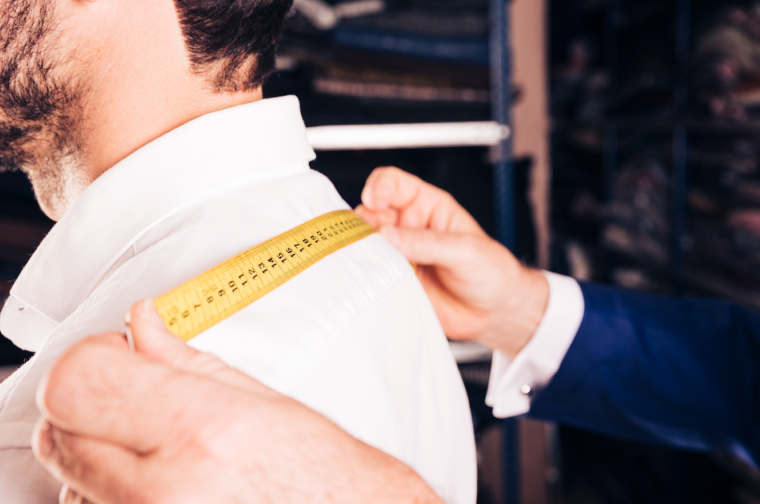
Over twenty points get recorded here. Shoulder width, chest, waist, sleeve length, posture, the works. A forward shoulder or an uneven stance gets caught right here, at this stage, not guessed at during some rushed fitting three weeks from now.
Step 3: Fabric and Detail Selection
This tends to be the part clients actually enjoy. Lapel width, button count, lining color, a monogram tucked inside if you’re into that, all chosen from real options. Not whatever three suits happen to still be hanging in your size.
Step 4: Fitting and Adjustment
A first fitting checks how construction is coming along so far. Small corrections happen here, before the final stitching locks everything in place for good- no turning back after that point.
Step 5: Final Delivery
The finished suit arrives ready to wear. Seams and hems matched to your actual body, not to a size chart printed somewhere years back and never updated since.
Choosing the Right Tailor in Louisville
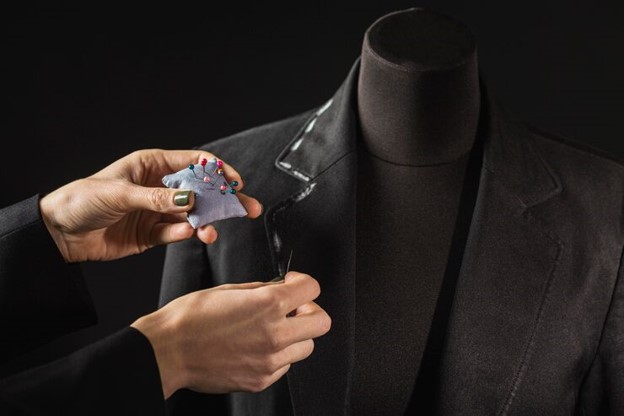
Not every tailoring service around town offers the same level of craft, and honestly, it shows the second the jacket goes on. When you’re weighing options, keep an eye out for:
- A transparent measurement and fitting process you can actually follow along with.
- Real access to premium fabric mills, not generic suiting stock dressed up with a fancier name tag.
- A willingness to walk you through fabric and construction choices instead of rushing you toward a signature.
- A track record of clients who keep coming back year after year, which tells you more than any online review ever could.
This is the standard we hold ourselves to at Ace Tailors, where every suit gets built around the actual person wearing it. Not a size chart pulled from some catalog nobody’s updated since the last decade.
Conclusion: Investing in a Suit That Actually Represents You
A suit is one of the rare garments that speaks before you even open your mouth. Choosing the right fabric, the right fit, the right craftsmanship isn’t about luxury for luxury’s sake. It’s about making sure what you wear actually matches the effort you’re putting into everything else in the room.
At Ace Custom Tailors, we build suits around real bodies and real occasions, not shortcuts and not outdated size charts. If you’re ready for tailoring that finally fits the way it’s supposed to, we’re ready to build it with you, one fitting at a time.
Frequently Asked Questions
How long does the custom suit process take?
The average turnaround time for the process of getting custom suits is two to four weeks, give or take, based on fabric and fittings.
Is it more expensive to get custom suits in Louisville compared to buying suits from the store?
The cost may depend on fabric and details used, yet many people see that the suit is worth the money because of many years of use and no alterations needed later.
Why is high-quality wool used for making suits?
The higher quality of wool means better longevity, durability, and the ability not to wrinkle for a long time while wearing it compared to other fabrics.
How many fittings do we need for a suit?
It is enough to have one or two fittings for measuring shoulder, sleeves, and trousers before the manufacturing process is complete.
Subscribe for New Update
Other Related Blogs You May Like
Why Custom-Made Suits Are Worth the Investment
Why Custom-Made Suits Are Worth the Investment