Designer Suit Guide: Are Zegna & Luxury Suits Worth the Investment in 2026?
Few names carry as much weight in menswear as Ermenegildo Zegna. Founded in 1910 in Trivero, Italy, the brand built its reputation on fine wool textiles before becoming one of the most recognised names in luxury tailoring worldwide. But does that heritage actually mean it’s the right suit to buy in 2026? For anyone weighing up a significant suit purchase in 2026, the question isn’t whether Zegna makes a quality product (it clearly does) but whether that investment makes sense for your own wardrobe, budget, and lifestyle. This guide breaks down what you’re actually paying for, where the money goes, and when a more tailored, local approach might serve you just as well.
What Makes a Zegna Suit Different
Luxury suiting brands like Zegna are built around fabric quality first. Wool is typically graded using the “Super” numbering system, with Super 100s through Super 180s and beyond describing the fineness of the fibre used. Does a higher Super number always mean a better suit, though? Higher numbers generally mean a softer hand feel and a more refined drape, though they can also mean a more delicate cloth that shows wear faster than a mid-grade wool would. This is one of the first things worth understanding before treating a higher Super number as automatically “better” for everyday wear.
Construction matters just as much as fabric, and it’s a major reason you’ll see such a wide price range across ermenegildo zegna suits sale listings. A full-canvas suit uses a floating layer of horsehair and canvas between the outer fabric and lining, which allows the jacket to move and drape naturally over years of wear. A fused suit, more common at lower price points, bonds the layers together with adhesive, which can look fine initially but tends to bubble or separate over time, particularly after repeated dry cleaning.
Is the Price Tag Justified?
Retail pricing on designer suits like Zegna can run well into four figures depending on fabric, construction, and whether the piece is made-to-measure or off-the-rack. That price reflects genuine costs: better raw materials, more hand-finishing on details like buttonholes and lapels, and the brand’s own manufacturing standards. For someone buying one suit to last a decade of regular wear, that cost per wear can genuinely be worth it, provided the fit and construction are both right for how the suit will actually be used.
Fit is where the value proposition gets murkier. Even a suit that costs several thousand dollars is typically produced from a standard block pattern unless it’s fully bespoke, meaning most buyers of an off-the-rack luxury suit will still need alterations to get a genuinely good fit through the shoulders, sleeves, and waist. A well-fitted suit at a mid-range price point will generally look better on the body than a poorly fitted luxury suit, which is worth remembering before assuming the highest price tag automatically delivers the best result.
Bespoke vs Made-to-Measure vs Off-the-Rack
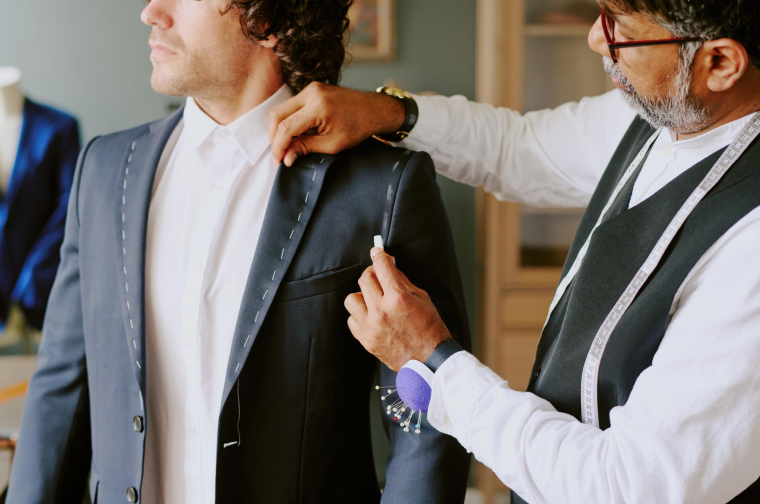
It’s worth being clear on the terminology here, since it’s often used loosely. A true bespoke suit is built from scratch using an individual pattern cut specifically for one person, with multiple fittings throughout the process. Made-to-measure starts from an existing block pattern that’s then adjusted to a customer’s measurements, offering a strong fit at a lower cost and shorter turnaround than full bespoke. Off-the-rack suits are produced in standard sizes and rely entirely on post-purchase alterations to fit an individual body.
For most people, the meaningful decision isn’t between Zegna and a cheaper brand. It’s between accepting an imperfect fit from an off-the-rack designer suit or searching for tailored suits near me to get any suit, regardless of where it was purchased, properly adjusted to the body wearing it. A skilled tailor can often bring an off-the-rack suit far closer to a bespoke fit than most buyers expect, at a fraction of full bespoke pricing.
When Local Custom Tailoring Makes More Sense
This is where searching for custom tailoring near me rather than relying solely on a designer label starts to make practical financial sense for a lot of buyers. A locally made custom suit, cut to your specific measurements from quality cloth, can deliver a comparable fit and finish to a luxury off-the-rack piece for meaningfully less money, since you’re not paying for global brand marketing, flagship retail overhead, or the mark-up built into designer distribution.
For everyday professional wardrobes, buyers researching mens suits louisville ky are increasingly comparing designer retail prices against locally sourced custom options before committing to either. The comparison isn’t always one-directional. Someone attending a single major event might reasonably justify a designer purchase for the experience and resale value, while someone building a five-suit rotating work wardrobe is often better served financially by custom pieces made to fit properly from the start.
Designer suits can still be a smart purchase in the right circumstances. For special occasions, or for buyers who specifically want the brand recognition and resale value that comes with a recognised luxury label, the investment can be entirely reasonable. The key is going in with realistic expectations about what the price actually buys: better fabric and construction, yes, but not automatically a perfect fit without further tailoring, and not necessarily better value per wear than a well-made custom alternative.
Conclusion
Whether a Zegna or similar luxury suit is worth the investment in 2026 depends less on the brand name and more on how the suit will actually be worn and how well it fits once it’s out of the box. The fabric quality and construction standards are real and justify part of the price, but fit is what ultimately determines whether any suit, designer or otherwise, looks genuinely good on the body wearing it. For buyers considering custom suits Louisville options alongside a designer purchase, it’s worth pricing both routes properly before deciding, since the value equation often looks different once alteration costs and long-term wear are factored in on both sides. Whichever route you choose, designer or custom, Ace Custom Tailors can help make sure the fit lives up to the price tag, with expert tailoring that brings any suit closer to its best possible fit.
Frequently Asked Questions
What does the “Super” number on a wool suit actually mean?
It refers to the fineness of the wool fibre used. Higher numbers generally feel softer but can also be more delicate and show wear faster than a mid-grade wool.
Is a full-canvas suit always better than a fused one?
For long-term wear and drape, yes, generally. Full-canvas construction moves with the body and holds its shape better over years of use, though it typically comes at a higher price point.
What’s the real difference between bespoke and made-to-measure?
Bespoke is built from an individual pattern created specifically for one person, while made-to-measure adjusts an existing standard pattern to fit your measurements. Bespoke offers the most precise fit but takes longer and costs more.
Can a tailor improve the fit of an off-the-rack designer suit?
In most cases, yes. Shoulders are the hardest area to adjust, but sleeves, waist, and trouser length can typically be altered significantly to improve overall fit.
Is a locally made custom suit a realistic alternative to a designer brand?
Yes, for many buyers. A well-made custom suit cut to your measurements can offer comparable quality and a better fit than an off-the-rack designer suit, often at a lower total cost.
When does a designer suit purchase make the most sense?
It tends to make the most sense for special occasions, brand-conscious buyers, or those who value resale potential, rather than as the default choice for an everyday working wardrobe.
Why does full-canvas construction hold its shape longer than a fused jacket?
A full-canvas jacket uses a floating layer of horsehair between fabric and lining, letting it drape and move with the wearer for years. Fused jackets bond those layers with adhesive that can bubble after dry cleaning, which is why Louisville, USA clients ask Ace Custom Tailors about construction before buying.
Where does made-to-measure fall between bespoke and off-the-rack suiting?
Made-to-measure starts from an existing block pattern adjusted to a client’s measurements, landing between full bespoke and off-the-rack pricing. Ace Custom Tailors builds many Louisville, USA wardrobes this way, giving buyers a precise fit and faster turnaround than a from-scratch bespoke commission would allow.
Which parts of a luxury suit are hardest for a tailor to adjust?
Shoulders are the most difficult area to reshape since they involve the jacket’s core structure, while sleeves, waist, and trouser length adjust far more easily. Ace Custom Tailors in Louisville, USA walks clients through what’s realistic before committing to alterations on an expensive designer piece.
When does it make more sense to build a five-suit work wardrobe locally instead of buying designer?
Building several suits for rotating office wear is usually cheaper and better fitted through a local tailor than through repeated designer purchases. Ace Custom Tailors sources quality fabric for Louisville, USA professionals building that kind of wardrobe, keeping fit consistent across every piece from day one.
Subscribe for New Update
Other Related Blogs You May Like
Why Custom-Made Suits Are Worth the Investment
Why Custom-Made Suits Are Worth the Investment