Expert Tailor Services in Louisville: When & How to Alter Your Suit for Perfect Fit
A suit hanging in the closet for two years, worn maybe four times, still has the tags in the pocket half the time because nobody got around to the alterations it needed on day one. That’s more common than most men admit. The suit wasn’t wrong. It just never got the adjustments that would’ve made it actually work.
We fix suits like that constantly. Whether it’s a jacket bought online that arrived a size off, a hand-me-down that fits everywhere except the shoulders, or a purchase from years back that no longer matches the body wearing it, searching for a near me tailor shop usually means one thing. Something’s off, and it’s fixable, if the work gets done right.
Signs Your Suit Actually Needs Alteration
Most men wear suits that need work without realizing it. The fit feels “fine” simply because there’s no side-by-side comparison happening in the moment.
- Shoulder seams that sit slightly past the actual shoulder line, creating a boxy look.
- Sleeve length that shows too much shirt cuff, or none at all.
- Jacket length that either cuts off too high or hangs past where it should.
- Trouser break that bunches at the shoe or sits too short, showing sock.
None of these mean the suit was a bad purchase. They usually mean it was bought for a general size, not a specific body.
The Difference Between “Fits Okay” and “Fits Right”
A suit that fits okay passes a quick glance. A suit that fits right holds up under real scrutiny, sitting down, reaching for a handshake, turning to talk to someone at a dinner table. That gap only closes with actual alteration work, not wishful thinking.
Common Suit Alterations and What They Fix
Alteration work covers more ground than most people expect walking in the door.
Jacket Adjustments
- Shoulder adjustment, correcting a jacket that pulls or gaps at the seam.
- Sleeve shortening or lengthening, so a quarter inch of shirt cuff shows properly.
- Waist suppression, taking in the sides for a cleaner silhouette without a boxy fit.
- Length correction, adjusting the jacket hem to properly cover the seat.
Trouser Adjustments
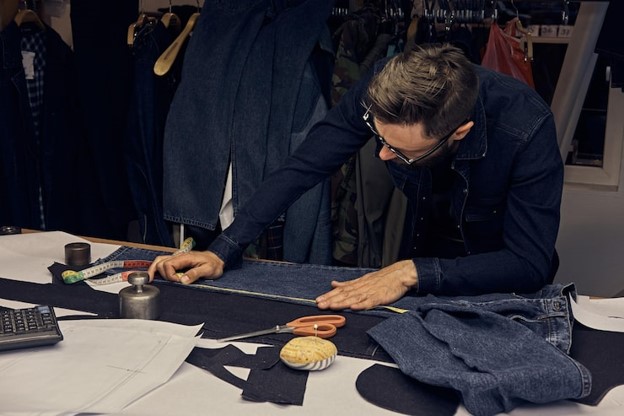
Trousers rarely fit correctly straight off the rack, and that’s true even for suits that otherwise fit reasonably well through the jacket.
- Waist adjustment, taken in or let out depending on body changes over time.
- Hem length correction, matched precisely to the shoes actually being worn.
- Tapering through the leg for a more modern, fitted look.
Tailormade pants solve this at the source, built to exact leg length and waist measurement rather than adjusted after the fact from a standard size.
When to Alter Versus When to Replace
Not every suit is worth saving. Fabric quality, construction, and how much adjustment is actually needed all factor into that decision.
Signs a Suit Is Worth Altering
- The fabric still holds its shape and shows no significant wear or shine.
- The construction includes real seam allowance, allowing for adjustment without visible strain.
- The overall style still suits current fit preferences, just needs refinement, not a full rebuild.
Signs It Might Be Time to Replace Instead
A suit that’s shrunk more than one size, shows visible wear through the elbows or seat, or was constructed with minimal seam allowance to begin with often costs more to alter than it’s worth. At that point, a new build makes more financial sense than fighting a losing battle with limited fabric.
What Happens During a Proper Alteration Fitting
Understanding the process removes a lot of the uncertainty around timing and results.
Step 1: Assessment
The suit gets tried on exactly as it’ll be worn, dress shirt, actual shoes, so the tailor can see precisely where the fit falls short.
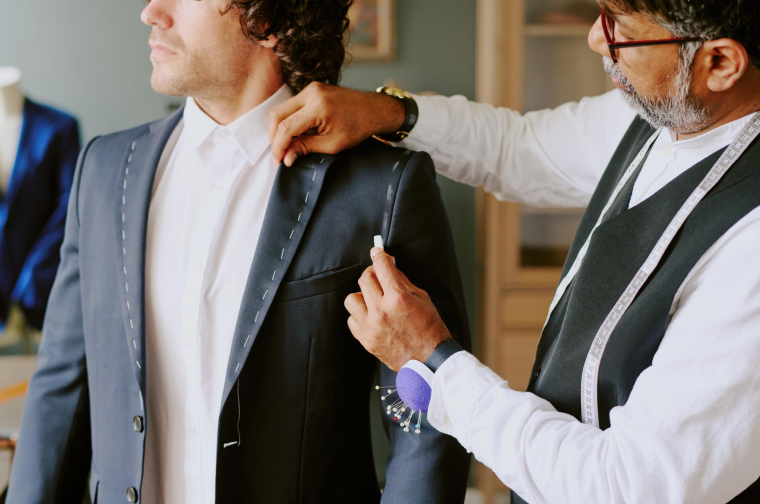
Step 2: Pinning and Marking
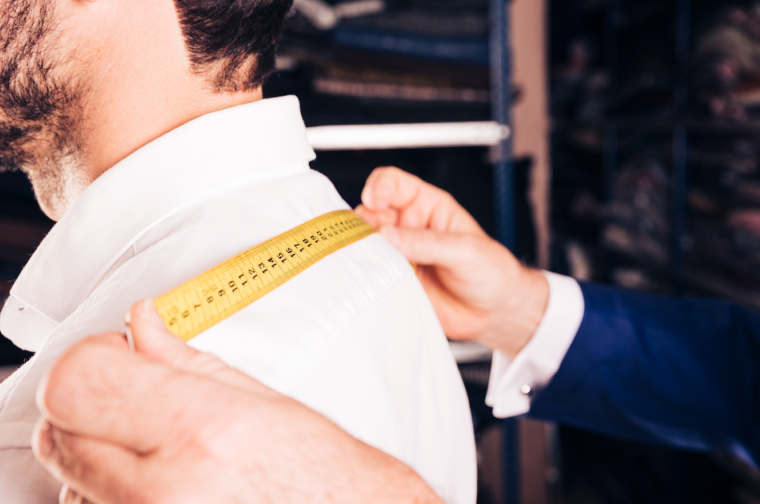
Adjustments get pinned directly on the body, not estimated from measurements alone. This catches details a tape measure alone would miss, like uneven shoulders or a forward lean in posture.
Step 3: The Actual Alteration Work
Pinned adjustments get executed with precision, seam by seam, checked against the original construction to avoid disrupting the suit’s overall structure.
Step 4: Final Fitting
A second try-on confirms the adjustments hold correctly through movement, sitting, walking, reaching, not just standing still in front of a mirror.
Why Experience Matters More Than Speed
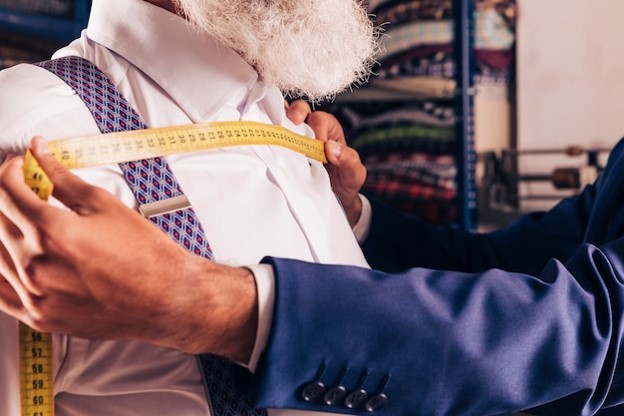
Alteration work looks simple from the outside. Take in a seam, shorten a hem, done. In practice, the margin for error is thin, and a mistake in one area often creates a new problem somewhere else on the garment.
At Ace Tailor, every alteration gets handled with the same precision applied to full custom builds, because a rushed adjustment usually costs more to fix later than doing it correctly the first time around.
Questions Worth Asking Before Booking Alterations
A few questions before committing save time and disappointment later. Ask how many fittings the adjustment typically requires, whether the fabric allows for the specific change being requested, and what the realistic timeline looks like given the suit’s current construction.
Maintaining Fit Between Alterations
An outfit that fits appropriately now can change slightly over time due to various factors.
- Check your fit again after making any kind of weight gain or loss, even if it is minimal.
- Hang up your outfits on suitable hangers to prevent any distortion of the shoulders over time.
- Do not wash too often; over-cleaning can cause gradual alteration in the fabric structure.
- Get your fit checked every year, even if there is nothing wrong, to catch anything minimal.
Conclusion: Getting the Fit Right, Not Just Close Enough
A suit that almost fits isn’t actually doing its job. Alteration work closes that gap, turning something serviceable into something that genuinely looks built for the person wearing it, because in most cases, it should have been from the start.
At Ace Custom Tailors, we handle alterations with the same care given to complete custom builds, because fit deserves that attention regardless of where the garment originally came from. If a suit’s been sitting in the closet not quite right, we’re ready to make it work the way it should have all along.
Frequently Asked Questions
How much does suit altering usually cost in Louisville?
Alteration prices vary depending on the type of alteration, and smaller jobs such as hemming are less expensive than larger ones such as shoulder or waist alterations.
Is it possible to alter a suit when it is too small?
A little alteration can be done if the seam allowances permit, but in some cases, suit alteration is impossible.
How long does it take to alter a suit?
Suit alteration can take from one to two weeks, depending on the size of the alteration and number of fittings needed.
Does tailormade pant needs fitting twice?
In most cases, one or two fittings can make sure that the waist and length are correct before starting with suit alteration.
Subscribe for New Update
Other Related Blogs You May Like
Why Custom-Made Suits Are Worth the Investment
Why Custom-Made Suits Are Worth the Investment