Seamstress vs. Tailor: What’s the Difference and Which Louisville Pro Do You Really Need?
A torn hem and a suit that does not sit right on your shoulders are not the same problem. Yet most people search for a tailor near me without knowing whether they actually need a seamstress instead. That mix-up costs time, money, and sometimes a garment that never quite fits the way it should.
This blog breaks down the real difference between the two trades, so you know exactly who to call the next time your clothes need attention.
What Does a Seamstress Actually Do?
A seamstress works with fabric at a construction level. Think stitching, hemming, mending, and basic garment repair.
Her skill set covers:
- Shortening or lengthening hems
- Fixing torn seams and small rips
- Replacing zippers and buttons
- Basic curtain, cushion, or home-textile work
- Simple dress and skirt adjustments
Seamstresses are brilliant at quick fixes. If a strap snapped or a seam split open before an event, she’s the one to call. So is that the extent of what she handles? Many seamstresses in Louisville also handle everyday clothing repairs for families, which keeps her work grounded in practical, day-to-day needs rather than structured garment design.
What Does a Tailor Actually Do?
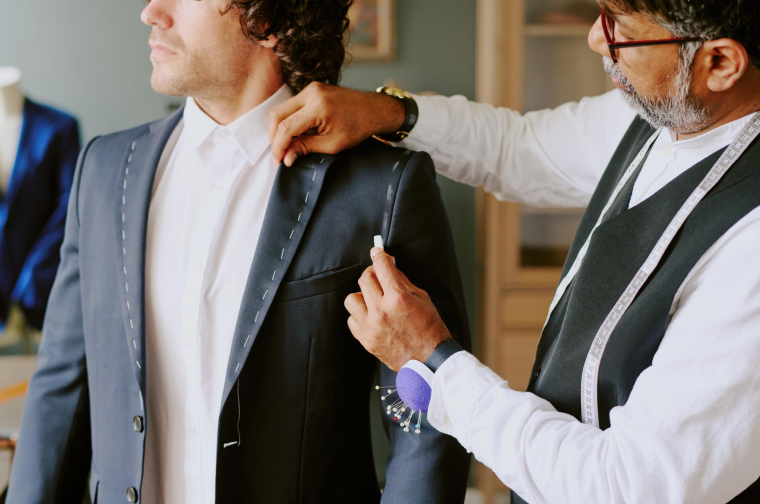
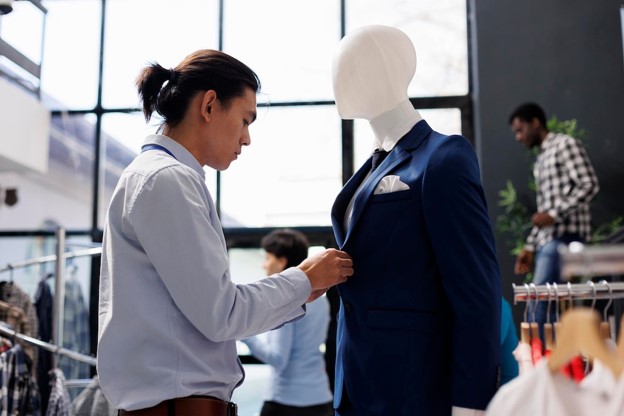
A tailor deals with structure. Suits, blazers, trousers, and any garment that relies on precise fit, shaping, and internal construction fall under this trade.
A tailor typically handles:
- Custom-made suits and jackets
- Made-to-measure shirts and trousers
- Wedding suit fittings
- Structural alterations (shoulders, lapels, waist shaping)
- Fabric selection and pattern-based construction
Where a seamstress adjusts what already exists, a tailor often builds a garment from measurements up. That distinction matters most when the fit needs to follow the natural line of your body rather than a factory-made shape.
The Core Difference in One Line
A seamstress repairs and adjusts. A tailor constructs and refines. One works with what’s already made. The other creates fit from the ground up.
Simple, right? Except real life rarely stays that simple. Plenty of professionals blend both skill sets, which brings us to the next question.
How Do You Know Which One You Need?
Ask yourself what the garment requires: a fix or a fit.
You Likely Need a Seamstress If:
- A seam has come undone
- A hem needs shortening
- A zipper stopped working
- You’re repairing a favorite piece rather than reshaping it
You Likely Need a Tailor If:
- You’re getting a suit made for a wedding or formal event
- Your jacket shoulders don’t sit correctly
- You want a custom shirt built to your exact measurements
- The garment needs structural reshaping, not just a stitch
Here’s a small but useful trick. If the fix takes minutes and doesn’t touch the garment’s shape, a seamstress handles it well. If it involves the collar, shoulders, or overall silhouette, a trained tailor is worth the visit.
Why Louisville Residents Often Search for Both
Louisville has a strong mix of formal-wear needs. Weddings, corporate events, school uniforms, and everyday repairs all keep local demand steady. That’s exactly why searches for seamstress Louisville KY and tailoring services often overlap in people’s minds, even though the two roles solve different problems.
Many shops in the city offer both services under one roof now, which makes life easier. How does that actually play out for customers? Instead of juggling two appointments, you walk in once and get matched with whichever skill your garment actually needs.
Why Turnaround Time Matters
Not every wardrobe emergency gives you weeks of notice. A shirt button pops the morning of an interview. A suit needs adjusting the day before a wedding. This is where a same day tailor Louisville KY service becomes genuinely useful rather than a nice-to-have.
Quick-turnaround tailoring works best for:
- Hemming trousers or a wedding dress before an event
- Minor suit adjustments booked at the last minute
- Button, zipper, and small seam repairs
- Uniform alterations needed on short notice
Same-day service does not mean rushed or careless work. It means the shop has enough skilled hands and a structured workflow to prioritize urgent requests without cutting corners on quality.
Choosing the Right Professional: A Quick Checklist
Before booking anyone, run through this short list:
- Check the garment type. Structured clothing usually needs a tailor. Everyday fabric repairs usually need a seamstress.
- Check the timeline. If you’re short on time, confirm same-day availability before you commit.
- Check the fit history. If a garment has never fit quite right, structural tailoring solves that far better than a temporary patch job.
- Check reviews and experience. Skilled hands matter more than flashy branding.
- Ask directly. A good shop will tell you honestly whether your project needs a seamstress’s stitch or a tailor’s precision, rather than saying yes to everything.
That last point matters more than people realize. A shop confident in its craft will point you toward the right service, even if it means a smaller job than expected.
Common Mistakes People Make
A few patterns show up again and again:
- Taking a structural suit issue to a seamstress and getting an uneven fit
- Taking a simple hem repair to a tailor and paying more than necessary
- Assuming every tailoring shop offers same-day service without confirming first
- Waiting until the last minute for wedding suit fittings, leaving no room for adjustments
Avoiding these mistakes usually comes down to one habit: describing the actual problem clearly before booking, rather than guessing which professional to call.
How Fabric Choice Changes the Decision
Fabric weight and structure decide more than people expect. A soft cotton shirt behaves differently under a needle than a heavy wool blazer. Seamstresses generally work with lighter, everyday fabrics that don’t require reshaping. Tailors, on the other hand, train specifically to handle structured fabrics like wool, tweed, and blended suiting materials that hold a defined shape.
This matters most when you are choosing between a quick repair and a proper reconstruction. A wool suit jacket that’s pulling at the shoulders needs someone who understands canvas, padding, and internal structure, not just surface stitching. Getting this wrong often means paying twice, once for the wrong fix and again for the correct one.
Conclusion
Fabric repair and structured tailoring are two different skills built for two different needs. Once you know which one your garment requires, choosing the right professional becomes far easier, and the results speak for themselves.
We at Ace Custom Tailors work with both everyday repairs and precision-built suits, so Louisville residents get matched with the right expertise the first time, without guessing which door to walk through.
Frequently Asked Questions
What’s the main difference between a seamstress and a tailor?
A seamstress focuses on repairs, hemming, and basic garment adjustments. A tailor handles structured fitting and construction, especially for suits and formal wear.
How do I find a reliable seamstress Louisville KY residents actually recommend?
Look for shops with clear reviews, visible experience, and honest communication about what they can and cannot do well.
Can a tailor near me handle both alterations and custom suits?
Many shops offer both services, though it’s worth confirming beforehand, since structural tailoring and simple repairs require different skill sets.
Is same day tailor Louisville KY service available for wedding suits?
Minor adjustments can often be completed same day, but full custom suit fittings usually need a few days for proper measurement and construction work.
What kind of work genuinely requires a trained tailor instead of basic repair?
Structural reshaping of shoulders, lapels, or waist, along with custom-made suits and wedding fittings, falls firmly in tailor territory. Ace Custom Tailors handles this construction-level work for Louisville, USA clients whenever a garment needs to follow the body’s natural line rather than a factory-made shape.
How does fabric type influence whether a garment needs a seamstress or a tailor?
Seamstresses typically work with lighter, everyday fabrics that don’t require reshaping, while tailors train specifically for structured materials like wool and tweed that hold a defined shape. Ace Custom Tailors in Louisville, USA matches the professional to the fabric, since guessing wrong often means paying for two fixes.
How far ahead should a wedding suit fitting be scheduled to avoid problems?
Waiting until the last minute for wedding suit fittings leaves no room for structural adjustments if something doesn’t sit right the first time. Ace Custom Tailors encourages Louisville, USA clients to book well ahead of the date, giving enough time for a proper first fitting and a follow-up.
How can someone tell if a seamstress in Louisville is actually reliable?
Clear reviews, visible experience, and honest communication about what a shop can and cannot do well are the strongest signals of reliability. Ace Custom Tailors built its Louisville, USA reputation on that same transparency, telling clients plainly whether a project needs a seamstress’s stitch or a tailor’s precision.
What trips people up most often when deciding who should handle a garment repair?
Taking a structural suit issue to a seamstress often produces an uneven fit, while taking a simple hem to a tailor costs more than necessary. Ace Custom Tailors helps Louisville, USA clients avoid both by asking about the actual problem clearly before recommending which service fits the job.
Why do so many residents prefer a single shop that covers both repairs and structural work?
Juggling two separate appointments for repairs and structural tailoring wastes time when demand for both stays steady across weddings, corporate events, and everyday wear. Ace Custom Tailors offers both under one roof, so Louisville, USA clients get matched with the right expertise in a single visit.
Subscribe for New Update
Other Related Blogs You May Like
Why Custom-Made Suits Are Worth the Investment
Why Custom-Made Suits Are Worth the Investment